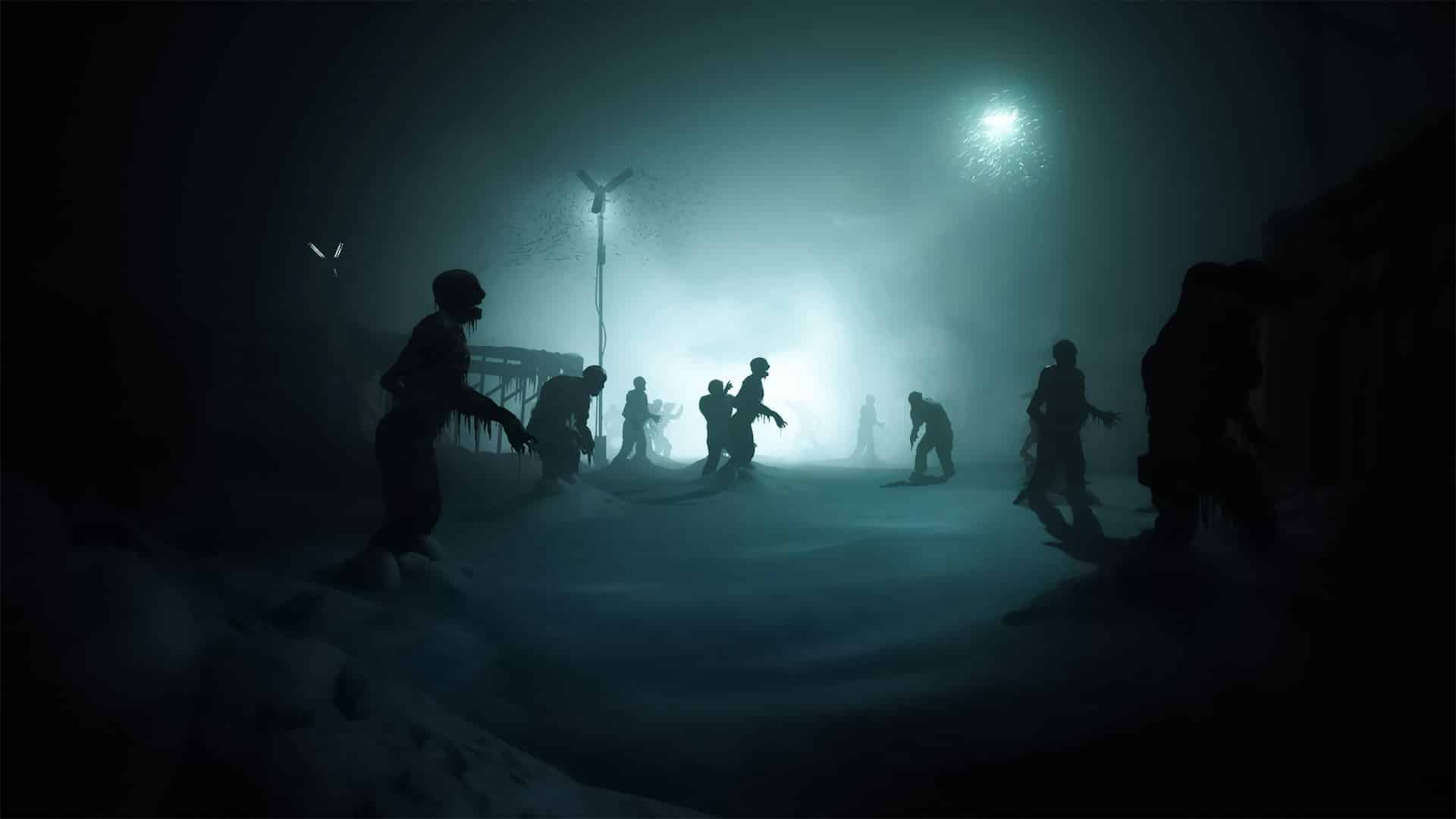
Permafrost's Deep Secrets: The Awakening of Ancient Pathogens
In the realm of popular culture, the concept of a "zombie virus" often conjures images of apocalyptic scenarios: corporations unleashing plagues, polar fracking reanimating the dead, or fungi evolving to control humanity due to climate change, as seen in Resident Evil, The Dead Don't Die, and HBO's The Last of Us. While these cinematic nightmares are firmly rooted in fiction, the underlying theme—climate change unleashing dormant threats—is a chilling reality. The thawing Arctic permafrost, a vast, frozen layer of soil that has preserved life for millennia, is now beginning to surrender its ancient secrets, raising serious questions about the potential for long-dormant pathogens, sometimes dubbed "Cnv Zombie Viruses," to re-emerge and challenge global health.
The implications are profound. Scientists have already succeeded in reviving a virus that lay dormant for an astonishing 48,500 years within the permafrost. This isn't a singular event but a sign of what's to come as the Arctic warms at an unprecedented rate. The concern isn't just about fictional hordes but about real, previously unknown or eradicated pathogens that humanity may have little to no immunity against, potentially sparking a new, unforeseen pandemic.
The Arctic's Icy Time Capsule: A Breeding Ground for the Unknown
Permafrost, by definition, is ground that remains completely frozen for at least two consecutive years. In many Arctic regions, this frozen layer extends hundreds of meters deep and has existed for tens to hundreds of thousands of years. This extreme cold, combined with a lack of oxygen, creates an ideal environment for preserving biological material, including bacteria, viruses, and even entire carcasses of extinct animals like mammoths.
As global temperatures rise, especially dramatically in the Arctic, this ancient ice is melting. Lakes are expanding, coastlines are eroding, and the ground itself is becoming unstable. With this thaw, the Earth's deep freeze is slowly opening, releasing what lies within. When these ancient microorganisms, including what we might label a potential Cnv Zombie Virus, are exposed to warmer temperatures and oxygen, they can potentially reactivate.
The danger stems from their long dormancy. Human immune systems, shaped by constant exposure to circulating pathogens, are unlikely to recognize these ancient threats. For a virus or bacterium that hasn't circulated for tens of thousands of years, our bodies would be encountering a completely novel invader, making us incredibly vulnerable. This lack of inherited or acquired immunity is what makes these reactivated "paleopathogens" so concerning.
The Science Behind the Threat: Are All Zombie Viruses Equal?
While the prospect of a "Cnv Zombie Virus" sounds alarming, the scientific reality is nuanced. It's important to understand the biological characteristics that determine a pathogen's survival and potential for revival. Viral genomes, for instance, are often inherently unstable. While the cold, oxygen-free environment of permafrost is excellent for preservation, not every virus will emerge intact and capable of replication after millennia. Many will have degraded beyond repair.
However, this doesn't mean the threat is negligible. Even if the majority of viral genomes don't survive, the sheer volume of permafrost and the diversity of ancient microbial life mean that some undoubtedly will. Scientists have already demonstrated this by successfully reviving a giant virus (Pithovirus sibericum) from 30,000-year-old permafrost, which was still capable of infecting amoebas. More recently, the revival of a 48,500-year-old virus further underscores this capability. The concern extends beyond just viruses; ancient bacteria, including antibiotic-resistant strains, could also be released, posing another significant public health challenge.
The "inherent instability" of viral genomes offers a glimmer of hope that a widespread Cnv Zombie Virus pandemic remains a low probability event. However, as the COVID-19 pandemic tragically illustrated, even a single, highly transmissible virus can rapidly incapacitate global systems if not contained swiftly and effectively. The risk, though perhaps small in probability, is catastrophic in potential impact.
The Alarming Race Against Thaw: Revival Efforts and Ethical Quandaries
Beyond the natural thaw, another layer of concern arises from scientific endeavors. There are instances where researchers, driven by curiosity or the desire to study ancient life, actively attempt to revive these permafrost-trapped viruses. For example, some teams have aimed to reanimate viruses that might have infected extinct megafauna like mammoths. While these studies offer invaluable insights into viral evolution and ancient ecosystems, they also carry inherent risks.
A leading voice in this field has cautioned against such practices, labeling attempts to bring back mysterious permafrost-trapped viruses as "stupid and dangerous." Despite the stringent protocols and high-level containment facilities used by most scientific teams, the history of biological research has shown that even a single accident or oversight can lead to a serious outbreak. The very act of handling these ancient, unknown pathogens, even with the best intentions, opens a Pandora's Box that demands extreme caution and rigorous ethical oversight. For a deeper dive into these risks, consider reading our article: Scientists Revive Ancient Viruses: The Risks of Thawing Permafrost.
Proactive Measures: Guarding Against a Future Arctic Outbreak
Given the potential for a "Cnv Zombie Virus" or other ancient pathogen to emerge, what can be done? The consensus among experts points towards proactive surveillance and preparedness rather than reactive panic. Here are some critical steps:
- Enhanced Arctic Surveillance: Regular monitoring of thawing permafrost regions for signs of microbial activity. This includes studying meltwaters, soil samples, and even analyzing ancient animal carcasses for novel pathogens.
- Rapid Detection and Diagnostic Capabilities: Developing advanced genetic sequencing and diagnostic tools capable of quickly identifying and characterizing unknown pathogens. Early detection is crucial for containment.
- International Collaboration: Pathogens do not respect national borders. International cooperation among Arctic nations and global health organizations is vital for sharing data, research, and best practices.
- Public Health Infrastructure Strengthening: Ensuring that local and national public health systems are robust enough to respond quickly to novel outbreaks, with resources for isolation, treatment, and contact tracing.
- Ethical Frameworks for Research: Establishing clear international guidelines and ethical frameworks for research involving the revival of ancient pathogens, prioritizing public safety above scientific curiosity.
- Addressing Climate Change: Fundamentally, slowing down the rate of Arctic warming is the most effective long-term strategy. Reducing greenhouse gas emissions helps mitigate the permafrost thaw itself.
The communities living in the Arctic, particularly Indigenous populations, are on the front lines of climate change and would be the first to face any emerging threats. Their knowledge, health, and safety must be central to any surveillance or response strategies. Investing in their infrastructure and health services is not just an ethical imperative but a global health necessity.
Conclusion
While the dramatic imagery of a "Cnv Zombie Virus" pandemic might seem like fodder for Hollywood blockbusters, the scientific reality of permafrost thaw and the re-emergence of ancient pathogens is a serious, evolving challenge. The chances of a widespread, catastrophic "Cnv Zombie Virus" outbreak from thawing permafrost currently remain low. However, the unique vulnerability of human populations to previously unknown pathogens, combined with the proven capacity of some ancient viruses to reactivate, demands our attention. As we learned from COVID-19, low probability does not mean zero risk, and the speed at which a novel virus can spread if unchecked is terrifying.
The key lies in vigilance, scientific inquiry tempered by ethical caution, and global cooperation. By understanding the risks, investing in surveillance and research, and taking meaningful action against climate change, we can better prepare for and hopefully prevent the awakening of truly dangerous "Cnv Zombie Viruses" from the Arctic's icy grasp, ensuring our future is shaped by science and foresight, not by ancient threats from a warming world.