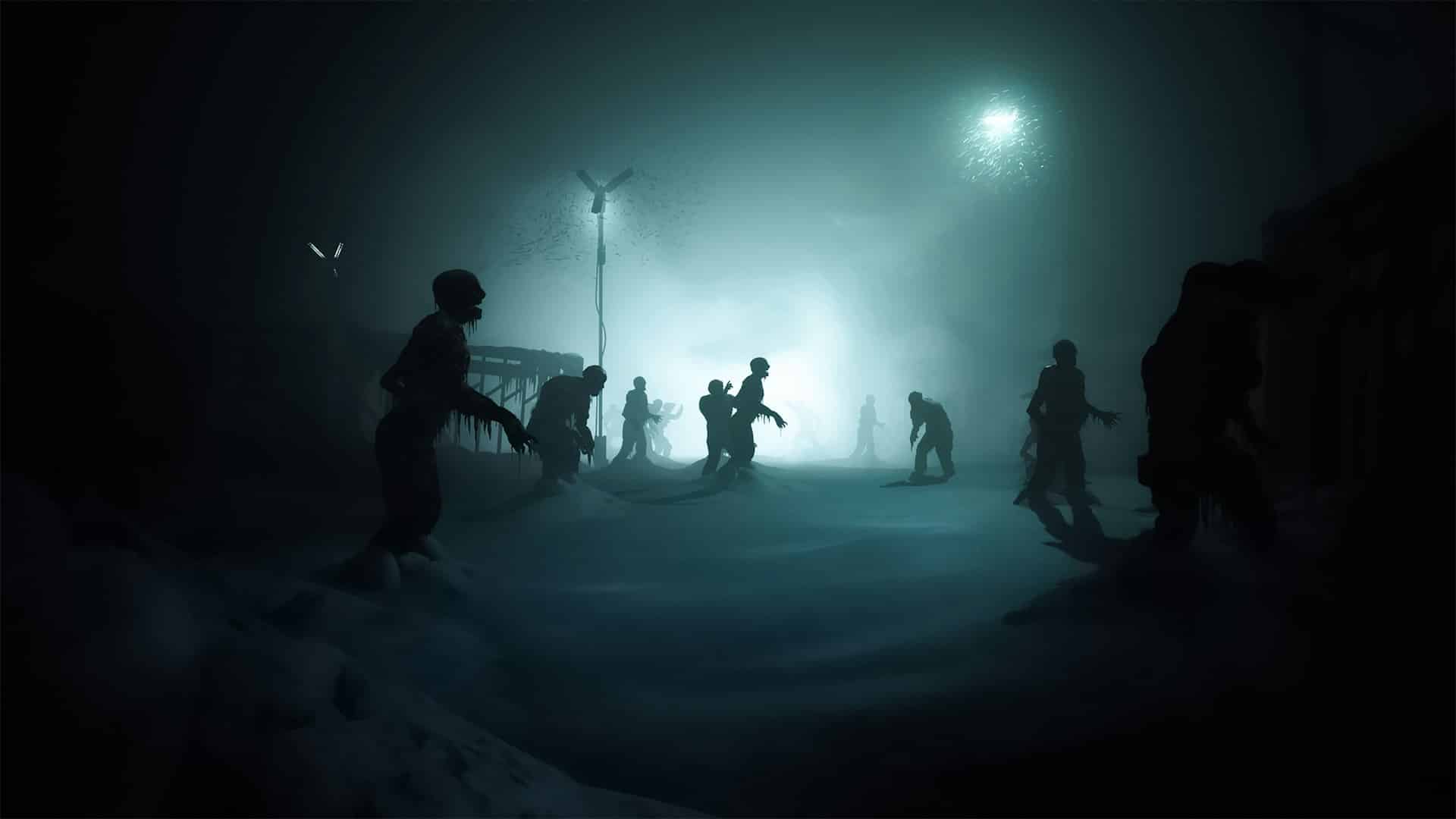
The Chilling Reality: Zombie Viruses & Climate Change Threat from Thawing Permafrost
The terrifying narratives of zombie outbreaks have long captivated our imaginations, from the corporate-engineered plagues of
Resident Evil to the fungal apocalypses depicted in HBO’s
The Last of Us, where a warming climate fuels a pathogen’s spread. While these scenarios are purely fictional, they subtly mirror a very real and emerging threat driven by climate change: the potential awakening of ancient pathogens, sometimes colloquially dubbed "Cnv Zombie Viruses," trapped within thawing permafrost. The idea of long-dormant viruses returning to life sounds like science fiction, but scientists have already achieved it, proving that the concept is far from fantasy.
For millennia, vast swathes of the Earth, particularly in the Arctic, have been locked in a deep freeze known as permafrost. This perpetually frozen ground has acted as a colossal time capsule, preserving not only extinct megafauna like mammoths but also countless microorganisms – bacteria, viruses, and fungi – some of which are entirely unknown to modern science. As our planet rapidly warms, this ancient ice is melting at an unprecedented rate, slowly but surely revealing its frozen secrets. And among those secrets lies the chilling possibility of reactivating "Cnv Zombie Viruses" that humanity hasn’t encountered for tens of thousands of years.
The Permafrost Time Capsule: Unearthing Ancient Threats
Permafrost, by definition, is ground that remains completely frozen for at least two consecutive years. Comprising a mixture of soil, rock, and ice, it covers about 15% of the Northern Hemisphere's land area. Its unique characteristics—extreme cold, low oxygen levels, and darkness—create an ideal environment for preserving biological material, including pathogens. Think of it as nature's deepest freezer, perfectly preserving organisms from a bygone era.
Scientific evidence already underscores this potential. Researchers have successfully revived a virus that was dormant for an astonishing 48,500 years from permafrost samples taken in Siberia. This groundbreaking (and somewhat alarming) discovery confirms that ancient viruses can indeed retain their infectious capabilities after millennia. While this specific virus was chosen for its low risk to humans, it served as a proof of concept, demonstrating the viability of what we might call a "Cnv Zombie Virus" scenario. The thawing of permafrost isn't just a slow melt; it’s a rapid transformation of landscapes, releasing organic matter and dormant microbes into modern ecosystems. The Arctic is warming at a rate two to three times faster than the global average, accelerating this thaw and creating conditions ripe for these ancient inhabitants to potentially re-emerge.
Why Are These Ancient Pathogens a Unique Threat?
The primary concern regarding these ancient pathogens stems from our profound lack of immunity. Generations of humans and animals have never encountered these specific strains. Our immune systems, finely tuned over centuries to combat contemporary threats, would be completely unprepared for a truly novel "Cnv Zombie Virus." This absence of natural defenses makes any potential re-emergent pathogen particularly dangerous, akin to introducing a completely new enemy to an unsuspecting army.
Consider the global impact of COVID-19. Despite its relatively recent emergence, the virus’s novelty and rapid spread brought health systems worldwide to their knees. Now, imagine a pathogen from an age before modern medicine, with no existing vaccines, treatments, or even a basic understanding of its behavior. While scientists acknowledge that the "inherent instability" of most viral genomes makes it unlikely that every frozen virus will survive and reactivate, the sheer volume of dormant microbial life means that even a small percentage could pose a significant risk. If even one highly virulent "Cnv Zombie Virus" were to reactivate and escape containment, its potential for rapid spread could parallel or even exceed past pandemics, especially given our interconnected global society. Understanding these risks is crucial for anyone interested in
the risks of thawing permafrost and revived ancient viruses.
The Double-Edged Sword: Scientific Revival vs. Responsible Research
The scientific community faces a complex ethical dilemma. On one hand, understanding these ancient pathogens could offer invaluable insights into viral evolution, past ecological systems, and even potential new therapeutic agents. On the other hand, the act of intentionally trying to revive them carries inherent risks. Some experts express serious concerns, branding attempts to revive mysterious permafrost-trapped viruses (like a Russian team’s efforts related to mammoth viruses) as "stupid and dangerous." Even with the most stringent protocols and advanced biosafety measures in place, the history of scientific research shows that accidents, however rare, can and do happen. A single misstep, a breach in containment, could be enough to trigger an outbreak that is difficult to control.
Therefore, striking a balance between scientific curiosity and public safety is paramount. Passive thawing due to climate change is already a reality, meaning these "Cnv Zombie Viruses" could emerge naturally. This makes proactive surveillance and study of them even more critical, but any active revival efforts must be weighed against the catastrophic potential. Discussions on this topic are vital, particularly as we explore
whether permafrost thaw could spark a new pandemic.
Safeguarding Our Future: Vigilance, Prevention, and Global Strategy
Given the scientific realities, a multi-pronged approach is essential to mitigate the potential threat of "Cnv Zombie Viruses."
*
Arctic Surveillance: Continuous and robust surveillance of Arctic regions is perhaps the most critical immediate step. Scientists need to monitor thawing permafrost sites, collect samples, and rapidly detect any emergent pathogens. Early warning systems would be crucial for fast identification and containment.
*
International Collaboration: This is a global issue that transcends national borders. International cooperation, shared data, standardized protocols for sample collection and analysis, and joint research efforts are vital to pool resources and expertise.
*
Advanced Research: Investment in research to understand the viability, virulence, and potential hosts of these ancient microbes is necessary. This includes developing rapid diagnostic tools and potential broad-spectrum antivirals or immunotherapies.
*
Ethical Guidelines: Clear, globally agreed-upon ethical guidelines for any research involving the revival or study of potentially dangerous ancient pathogens must be established and strictly enforced.
*
Climate Action: Ultimately, the most fundamental preventative measure is to address climate change itself. Reducing greenhouse gas emissions to slow down Arctic warming and permafrost thaw is the long-term solution to keeping these ancient threats locked away.
Conclusion
The concept of a "Cnv Zombie Virus" emerging from thawing permafrost is not merely a sensational headline; it’s a scientifically plausible scenario rooted in the undeniable realities of climate change. While the probability of a widespread pandemic from an ancient pathogen remains low, the potential impact, should one occur, is immense. As we’ve learned from recent global health crises, preparedness and proactive measures are our strongest defenses. By prioritizing Arctic surveillance, fostering international scientific collaboration, implementing stringent ethical guidelines for research, and, most importantly, taking decisive action on climate change, we can work to ensure that the chilling narratives of zombie outbreaks remain firmly in the realm of fiction, rather than becoming a terrifying reality. Our collective future depends on our vigilance today.