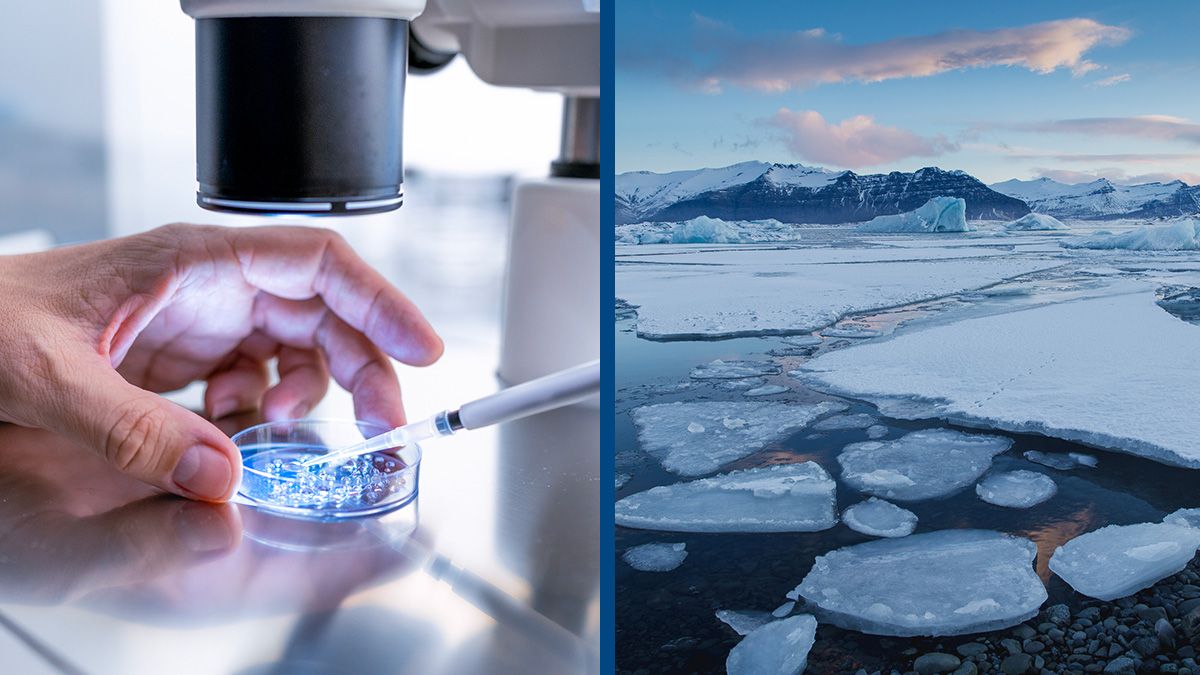
Scientists Revive Ancient Viruses: The Risks of Thawing Permafrost
The chilling narratives of fictional pandemics—from the corporate greed unleashing devastation in _Resident Evil_ to the climate-induced fungal apocalypse in HBO’s _The Last of Us_—often feel like distant nightmares. Yet, in our rapidly changing world, these tales serve as stark reminders of the delicate balance between humanity and nature. While true "zombies" remain confined to fiction, the alarming reality of climate change is indeed unleashing long-frozen pathogens back into our modern environment, giving rise to serious discussions about the potential for a real-world "Cnv Zombie Virus."
Scientists have already made headlines by reviving ancient viruses trapped in permafrost for tens of thousands of years, with one notable discovery involving a virus dormant for an astonishing 48,500 years. This phenomenon, where warming Arctic temperatures thaw the previously impenetrable frozen ground, stirs dormant microbial life that could pose unforeseen threats to animal and human health. The term "Cnv Zombie Virus" captures the essence of these ancient, revitalized pathogens: biological entities returning from a deep, icy slumber, for which modern life has no evolved defense.
The Frozen Time Capsule: Permafrost and its Ancient Secrets
Permafrost, a layer of soil that has remained frozen for at least two consecutive years, covers a significant portion of the Earth's landmass, particularly in the Arctic. For millennia, this deep freeze has acted as an immense natural vault, preserving everything from ancient flora and fauna to microorganisms. The exceptionally cold, oxygen-free conditions found within permafrost are ideal for the long-term preservation of biological material, including viruses and bacteria.
As global temperatures rise, a phenomenon known as Arctic amplification causes the polar regions to warm at a rate significantly faster than the rest of the planet. This accelerated warming leads to the widespread thawing of permafrost, exposing layers of soil that haven't seen the light of day—or felt the warmth of the sun—in tens or even hundreds of thousands of years. With this thaw comes the potential release of ancient microbes, often referred to as "paleoviruses" or "paleopathogens," into contemporary ecosystems.
Why are These Ancient Pathogens a Concern?
The primary concern regarding these ancient viruses, including what some might call a "Cnv Zombie Virus," lies in humanity's profound lack of immunity to them. Our immune systems are sophisticated, but they learn and adapt based on exposure to circulating pathogens. A virus that has been dormant for 50,000 years is, by definition, an entirely novel threat to modern immune systems, which have no existing antibodies or cellular memory to combat it. This makes any potentially reactivated pathogen inherently dangerous, as our bodies would be starting from scratch in developing a defense.
Furthermore, the virulence and host range of these ancient viruses are entirely unknown. While the "inherent instability" of many viral genomes suggests that not all will survive their icy preservation intact and capable of reactivation, the fact that *some* clearly can and have been revived is cause for concern. The world witnessed with COVID-19 how quickly a novel pathogen can spread globally, even with modern medical infrastructure and rapid scientific response. A similar, yet potentially more potent, Zombie Viruses & Climate Change: A Real Threat from Thawing Permafrost scenario, originating from an ancient pathogen, presents a terrifying unknown.
The Double-Edged Sword of Scientific Revival
While the natural thawing of permafrost is a significant concern, some scientists are actively engaged in investigating and attempting to revive these mysterious permafrost-trapped viruses. These expeditions, often involving Russian teams, aim to study ancient ecosystems, understand viral evolution, and assess potential future risks. For instance, efforts have been made to revive viruses that may have once infected now-extinct mammoths.
However, this pursuit of knowledge is not without its critics. Some scientists, like those quoted in our reference context, warn that such endeavors are "stupid and dangerous." While scientific teams typically employ rigorous protocols and stringent containment procedures to protect against viral contamination and disease outbreaks, the risk of even a single accident is ever-present. As history has shown, whether through laboratory mishaps or unintended environmental exposure, just one breach could be enough to cause a serious outbreak with potentially devastating consequences. The allure of discovery must be carefully weighed against the formidable risks of awakening a truly ancient, unknown "Cnv Zombie Virus."
The Ethical Quandary of Cnv Zombie Virus Research
The deliberate revival of ancient pathogens presents a complex ethical dilemma. Is the potential knowledge gained from studying these paleoviruses worth the undeniable, however small, risk of accidental release? This question echoes the fictional scenarios where corporate carelessness or scientific hubris leads to global catastrophe. While current scientific intentions are generally noble—driven by curiosity and a desire to understand—the parallels to fiction remind us that good intentions are not always a guarantee against disaster.
The potential for a "Cnv Zombie Virus" to emerge, either naturally or via human intervention, underscores the need for an intensely precautionary approach. The global community must engage in robust discussions about the ethics of such research, ensuring that the drive for discovery does not inadvertently pave the way for a public health crisis that could make past pandemics pale in comparison. Understanding the mechanisms of preservation and potential pathogenicity is vital, but the methods and containment measures must be unimpeachable, particularly when dealing with Permafrost Thaw: Could Dormant Arctic Pathogens Spark a New Pandemic?
Mitigating the Risk: Surveillance and Global Preparedness
Given the growing urgency of permafrost thaw and the potential for ancient pathogen release, proactive measures are paramount. A cornerstone of this strategy must be enhanced surveillance of Arctic areas. Scientists advocate for continuous monitoring to detect novel pandemic threats quickly, providing precious time for research and response before a localized outbreak can become a global crisis.
Early detection, however, is only one piece of the puzzle. Global collaboration is essential. This includes international efforts to:
- Share data and research: Rapid and open communication among scientists and public health bodies worldwide.
- Develop standardized protocols: For identifying, containing, and studying ancient pathogens safely.
- Invest in public health infrastructure: Strengthening rapid response capabilities, diagnostics, and vaccine development platforms that can adapt to novel threats.
The lessons learned from the COVID-19 pandemic—the importance of swift action, international cooperation, and robust public health systems—are directly applicable to preparing for the potential emergence of a "Cnv Zombie Virus."
Practical Steps for a Safer Future
Moving forward, concrete actions are needed to navigate this emerging threat responsibly:
- Intensified Arctic Monitoring: Deploying advanced satellite imagery, on-the-ground expeditions, and environmental sampling techniques to identify rapidly thawing regions and detect early signs of microbial activity.
- International Collaboration and Regulation: Establishing international bodies and guidelines specifically for research involving ancient pathogens, ensuring strict ethical oversight and safety protocols for any intentional revival efforts.
- Accelerated Pathogen Research: Investing in research to understand the characteristics, potential hosts, and possible treatments or vaccines for these paleoviruses *in silico* or under the most stringent containment, reducing the need for high-risk revival.
- Climate Action: Ultimately, the most impactful preventative measure is to aggressively address climate change. Reducing greenhouse gas emissions and slowing the rate of Arctic warming will mitigate the primary driver behind permafrost thaw and the release of these ancient threats.
The prospect of a "Cnv Zombie Virus" emerging from the thawing permafrost is a stark reminder of the unintended consequences of climate change and the delicate balance of our planet's ecosystems. While the probability of a widespread pandemic from these ancient pathogens might remain low, the potential impact is undeniably catastrophic. It demands our utmost vigilance, responsible scientific practice, and a globally coordinated effort to mitigate the risks. By fostering proactive surveillance, ethical research, and aggressive climate action, we can hope to keep these ancient dangers locked away in their icy graves, ensuring that such chilling narratives remain in the realm of fiction.